
Being Cool for the Planet
A child-friendly introduction to climate change, the choices we make, and the possibility of creating a healthier future together.

Featured by: Sherene Strausberg
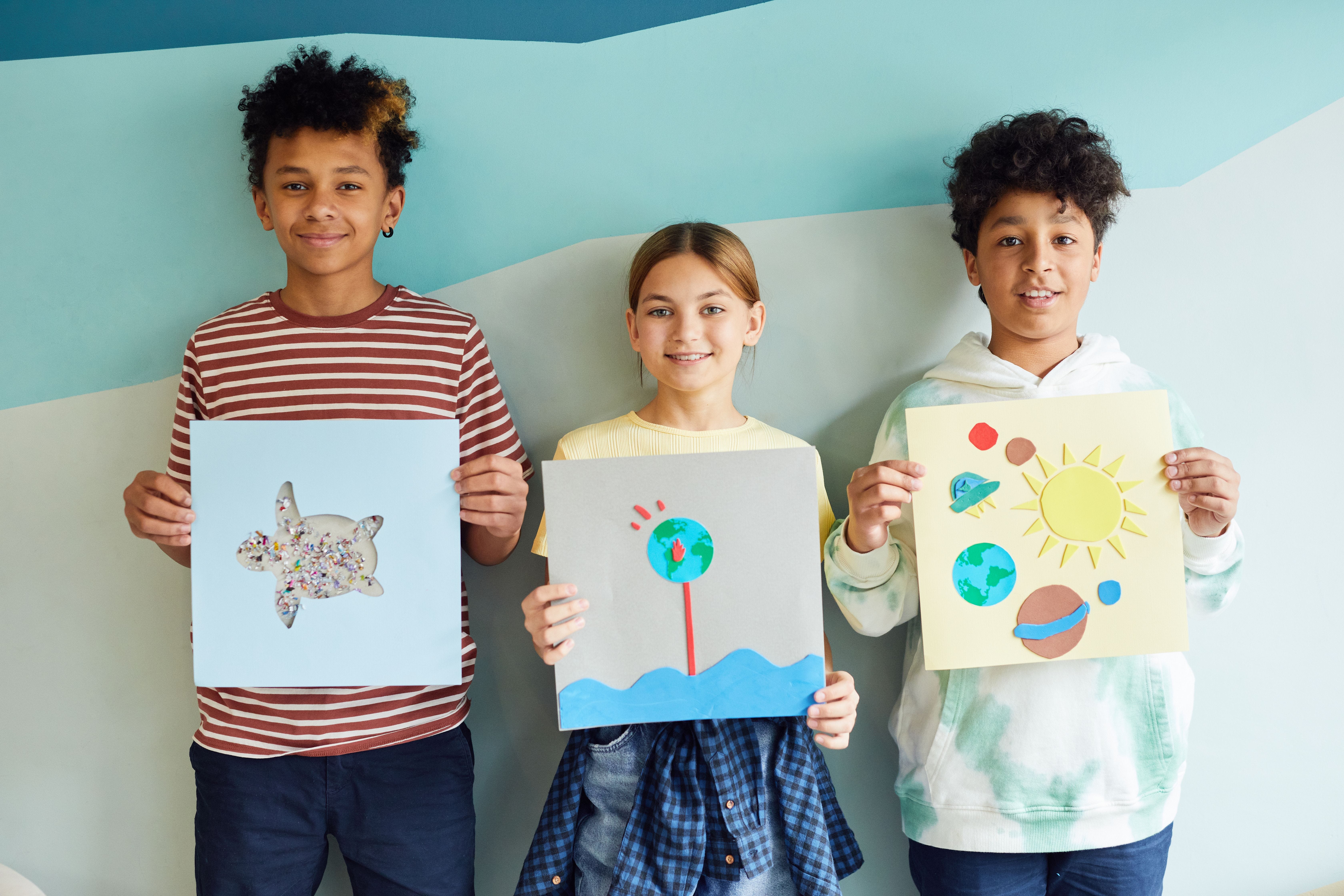
Climate change can feel like an enormous idea…
Global temperatures, carbon dioxide, energy systems, changing ecosystems, these are big concepts for anyone to hold, especially young learners. But understanding our relationship with the planet does not have to begin with a crisis. Sometimes, it can begin with thinking about what we can do differently.
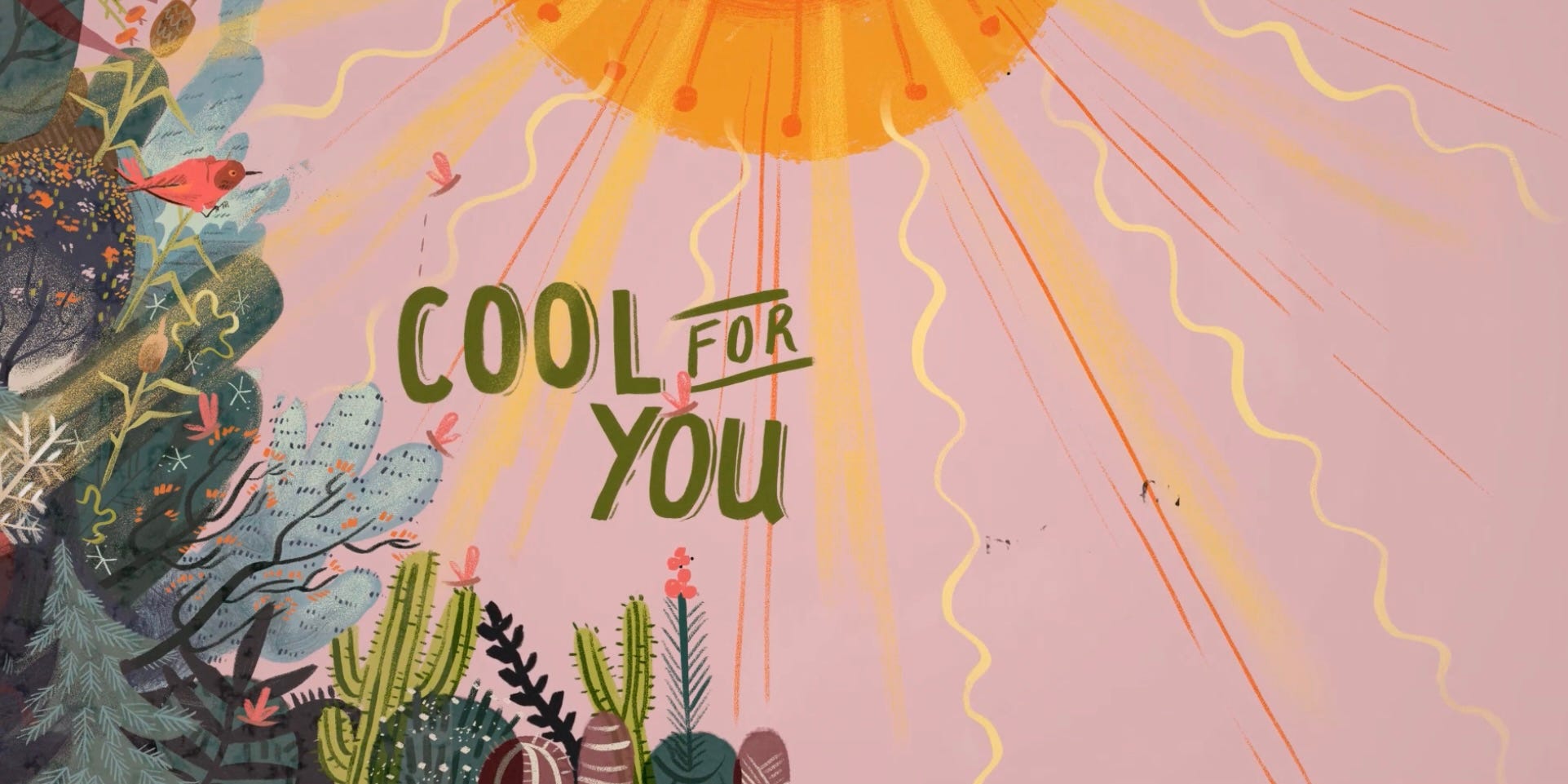
This Belouga experience invites students into that question through Cool For You, an animated film that introduces global warming through characters, families, animals, plants, and everyday choices. Rather than presenting climate change as something distant or impossible to influence, the experience helps students see the connections between human behavior and the world around us. It is an invitation to understand before acting, and to recognize that even small choices can be part of a much larger story.
This is where the learning begins.
The Core Experience
Cool For You introduces children to the basic science of global warming in a way that feels approachable and familiar. Through animation and storytelling, students encounter the role of carbon dioxide, the ways human activity affects the atmosphere, and the changes taking place across the natural world.
The film gives students a starting point where they begin to see that the air around us, the energy we use, the things we consume, and the ways we move through the world are all connected. Animals and plants become part of the story too, with their presence helping shift the conversation beyond human needs and toward the larger living systems that make life possible.
And importantly, the experience leaves room for possibility. Students are introduced to practical ways they can reduce their impact and make more thoughtful choices. The message is that understanding our impact is the beginning of changing it.
Why This Matters Right Now
Young people are growing up in a world where climate change is increasingly part of everyday conversation. They hear about extreme weather, rising temperatures, pollution, endangered species, and environmental change. But awareness alone does not always lead to understanding. Students need opportunities to connect the science of climate change to the choices, systems, and communities around them. They also need to experience climate learning without feeling that the future has already been decided.
This matters because climate education is not only about knowing what is happening to the planet, but also about helping learners understand agency, the idea that our decisions matter, especially when individual choices become collective action.
A light switch, a car ride, a meal, a discarded object, a tree planted, or a community project. None of these actions exists in isolation. Each one sits inside a larger system of energy, resources, consumption, and human behavior. Learning to see those connections is one of the first steps toward becoming an informed environmental citizen.
Climate Change as a Shared Responsibility
Climate conversations can sometimes become focused entirely on individual behavior…recycle more, use less energy, waste less, consume differently.
Those actions matter, but the story is bigger. Climate change is shaped by the relationship between individual choices, communities, industries, governments, and natural systems. Students can begin with the things they control while also learning to ask larger questions about how society works.
Who produces our energy?
How do our communities move people from place to place?
Where do the things we buy come from?
What happens to them when we are finished using them?
How do decisions made today affect people and ecosystems tomorrow?
These questions move students from simply learning about climate change toward thinking about how change actually happens. The goal is to help students understand that they are part of a world of interconnected choices, and that their curiosity, ideas, and actions can contribute to something larger.
The Human Connection Lens
This experience is built around three interconnected learning dimensions:
Understanding our impact: Students begin to recognize how everyday human activities influence the atmosphere, ecosystems, and climate. Climate change becomes something connected to daily life rather than an abstract global problem.
Seeing the web of life: By placing people, animals, plants, and the planet within the same story, learners explore the idea that human well-being is connected to the health of the natural world.
Moving from awareness to agency: Students are encouraged to identify practical ways to make a difference while considering how individual actions can contribute to broader community and systemic change.
This is the deeper learning architecture behind the experience.
Learning Alignment
Core Subject Areas: Science, Environmental Studies, Social Studies, Health, Language Arts
Sustainable Development Goals: Goal 4. Quality Education, Goal 7. Affordable and Clean Energy, Goal 11. Sustainable Cities and Communities, Goal 12. Responsible Consumption and Production, Goal 13. Climate Action, Goal 15. Life on Land
Age Bands
Elementary (8–11): climate awareness, environmental responsibility & everyday choices
Middle School (12–14): climate systems, human impact & environmental decision-making
High School (15–18): climate science, sustainability, systems thinking & collective action
Skill Development Focus: Scientific literacy, Systems thinking, Environmental awareness, Critical thinking, Problem-solving, Agency, and Responsible decision-making
Classroom Translation
In the classroom, this experience can begin with something students already understand: their own daily lives. Younger learners may focus on identifying ways people can care for their environment. Older students can begin examining the systems behind those choices, including energy production, transportation, consumption, waste, and greenhouse gas emissions.
The experience also creates an opportunity to move beyond the question of “What am I doing wrong?” and toward “What could we do better?” That shift matters, as climate education should create informed and capable learners, not simply worried ones. Students can investigate a problem in their own school or community, identify one opportunity for change, and imagine what a different future could look like. The classroom becomes a place where climate knowledge can turn into curiosity, and curiosity can turn into action.
Continue the Experience
This week’s Belouga experience also includes downloadable educator and student resources designed to help bring climate learning into classrooms, environmental programs, advisory spaces, and community learning environments. These resources give educators a starting point for exploring climate change, human impact, sustainability, and student agency without turning the conversation into a list of problems.
Continue into the full educator guide and student experience pack below.