
Nature’s Climate Solution Is Closer Than You Think
A Deep-Dive into one of the planet’s most overlooked systems, and how healthy soil may play a critical role in addressing climate change, restoring ecosystems, and building a more sustainable future.

Featured by: Kiss The Ground
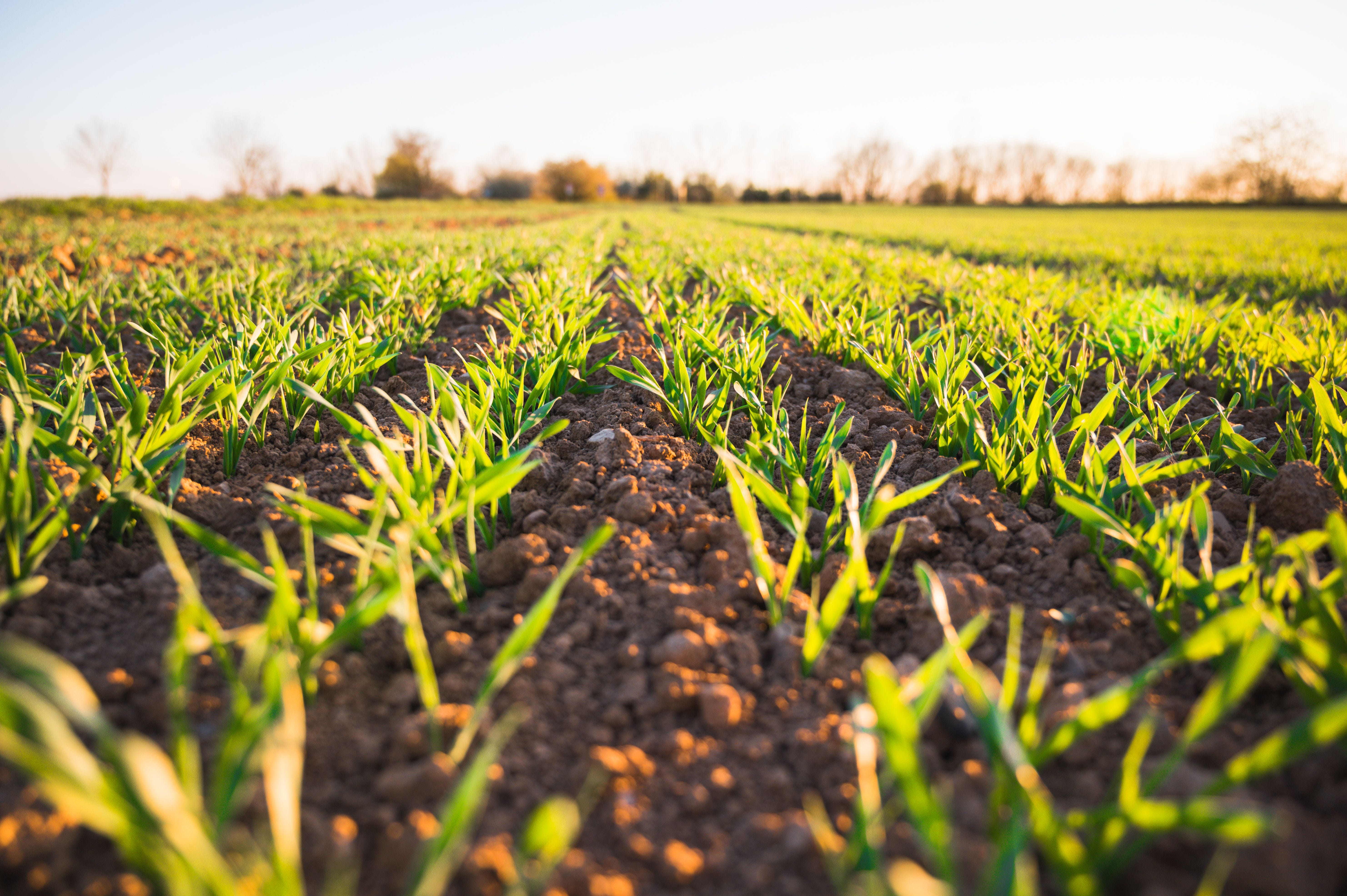
The climate story we rarely tell…
When people think about climate change, they often picture smokestacks, renewable energy, electric vehicles, or melting ice caps. Rarely do they think about the ground beneath their feet.
Soil is easy to overlook. It sits quietly beneath forests, farms, parks, and cities. Yet beneath the surface exists one of the most important living systems on Earth, a system that supports food production, stores water, sustains biodiversity, and helps regulate our climate.
This Belouga experience explores the unexpected question of what if one of the most powerful climate solutions has been beneath us all along?
This is where the learning begins.
The Core Experience
At first glance, the video appears to be about soil, but as the story unfolds, it becomes something much larger.
Students are introduced to the idea that soil is not simply dirt, it’s a living ecosystem filled with microorganisms, organic matter, roots, nutrients, and complex relationships that make life possible. The lesson explores how industrial practices and land management decisions have altered these systems over time, reducing soil health and releasing carbon into the atmosphere. Yet it also presents a hopeful possibility.
Through regenerative agriculture, composting, and improved land stewardship, healthy soil can help capture and store carbon that would otherwise contribute to climate change. What makes this experience compelling is that it reframes environmental action. Rather than focusing only on reducing harm, students are invited to consider how natural systems can actively participate in restoration.
The story becomes less about environmental problems and more about environmental relationships.
Why This Matters Right Now
Climate change is often presented as a challenge that feels distant, overwhelming, or too large for individuals to influence. Students regularly hear about rising temperatures, extreme weather events, and global environmental concerns. While these realities are important to understand, they can sometimes leave learners feeling disconnected from solutions.
This experience shifts the conversation. Instead of asking students to focus solely on what is going wrong, it encourages them to investigate how ecosystems function and what happens when those systems are supported rather than disrupted. It demonstrates that environmental challenges are rarely isolated. Food systems, water cycles, biodiversity, agriculture, and climate are interconnected.
Understanding these connections helps students move beyond simple cause-and-effect thinking and toward systems thinking, an increasingly important skill for the future.
Environmental Stewardship as Everyday Action
Environmental conversations can sometimes feel abstract. This experience grounds those conversations in daily choices and practical action. Students are encouraged to think about:
Where food comes from
How land is managed
The relationship between waste and composting
The role healthy ecosystems play in supporting human communities
How individual and collective actions influence environmental outcomes
The film presents stewardship not as a specialized profession or distant responsibility, but as a mindset rooted in awareness, care, and participation. By understanding how natural systems work, students begin to recognize that sustainability is not only about protecting nature, it is about learning how to work alongside it.
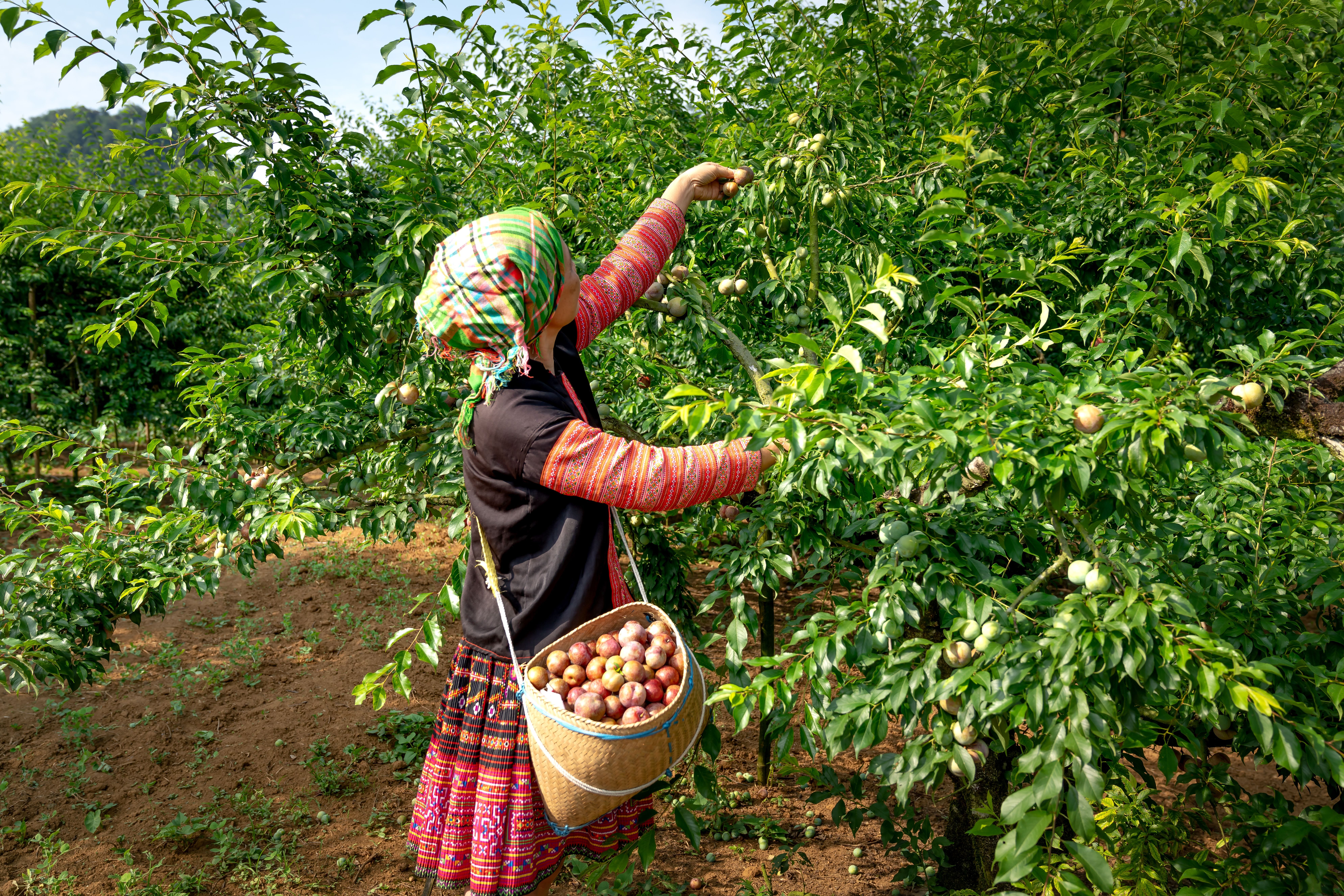
The Human Connection Lens
This experience is built around three interconnected learning dimensions:
Systems thinking: Environmental challenges are connected through complex relationships rather than isolated causes. Understanding these connections helps learners see the bigger picture.
Regeneration and renewal: Natural systems have the capacity to recover and rebuild when conditions support their health and resilience.
Stewardship through action: Small decisions made by individuals, communities, and industries can collectively influence environmental outcomes over time.
This is the deeper architecture behind the learning.
Learning Alignment
Core Subject Areas: Environmental Science, Earth Science, Geography, Sustainability Studies, Agriculture
Sustainable Development Goals: Goal 2. Zero Hunger, Goal 13. Climate Action, Goal 15. Life on Land
Age Bands
Elementary (8–11): ecosystems, nature connections, environmental awareness
Middle School (12–14): climate systems, sustainability, human impact
High School (15–18): systems thinking, regenerative practices, environmental problem-solving
Skill Development Focus: Systems thinking, Environmental literacy, Scientific observation, Critical thinking, Sustainability awareness, Problem-solving
Classroom Translation
In learning environments, this experience becomes an opportunity to investigate relationships that are often invisible.
Students begin by exploring what soil actually is and why it matters. As the conversation develops, they start connecting soil health to food production, water systems, biodiversity, and climate. Younger learners often focus on the surprising idea that soil is alive and constantly changing. Older learners begin to grapple with larger questions about environmental systems, human responsibility, and how innovation can work alongside natural processes.
Across age groups, students begin to realize that many of the systems that sustain life are easy to overlook precisely because they operate beneath the surface. The goal is to recognize the interconnected systems that make life possible.
Continue the Experience
This Belouga experience also includes downloadable educator and student resources designed to help bring environmental stewardship, systems thinking, and climate literacy into classrooms, learning spaces, and community conversations. These resources are designed to reduce planning time while helping educators facilitate deeper inquiry around ecosystems, sustainability, human impact, and environmental solutions.
Continue into the full educator guide and student experience pack below.