
Small Spaces, Big Questions
A 110-square-foot home becomes a doorway into bigger conversations about sustainability, simplicity, freedom, and what humans truly need to live well.

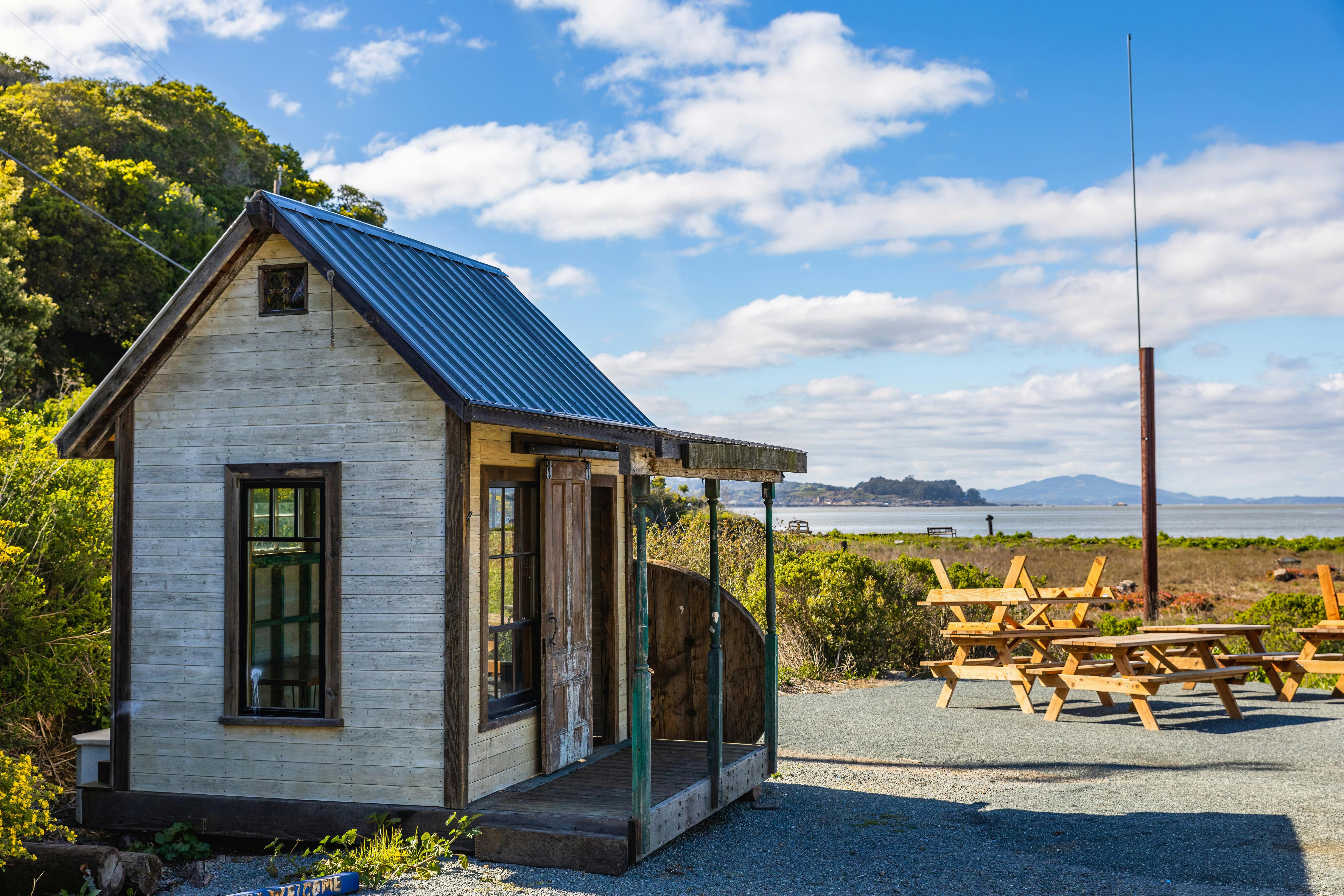
Featured by: TINY
Living With Less…
Most people are taught to think about homes in terms of size. More rooms, more storage, more upgrades, more space to fill. Bigger often becomes associated with success long before we ever stop to ask why. This experience begins by slowing that assumption down.
Inside a 110-square-foot tiny house, students are invited into a completely different way of thinking about space, ownership, sustainability, and daily life. The spotlight is not simply about architecture or alternative housing, it’s about choices. About what we keep, what we consume, what we prioritize, and how environments shape the way we feel and live.
A tiny house becomes much larger when it opens conversations about freedom, simplicity, environmental responsibility, and what people truly need to thrive.
This is where the learning begins.
The Core Experience
The camera moves slowly through the tiny home. A compact kitchen, a sleeping loft, shelving carefully built into narrow spaces, storage hidden beneath furniture, and small details designed with precision and purpose. Nothing appears accidental.
As Daniel walks viewers through the home he constructed himself, students begin noticing that this space operates differently from most homes they know. The design is not centered around excess, but efficiency. Not around accumulation, but intention.
The house itself becomes a reflection of values. Instead of asking how much space can be filled, the film quietly asks a different question, “What is truly essential?” As the experience unfolds, sustainability stops feeling abstract. Students can physically see how energy, materials, transportation, cost, and lifestyle choices connect together through one very small living space.
At the same time, the experience avoids presenting simple answers. The goal is not agreement, the goal is awareness.
Why This Matters Right Now
Many young people are growing up inside systems built around constant consumption. New products arrive endlessly, trends shift rapidly, success is often measured through ownership, appearance, and expansion. Bigger houses, newer technology, and more possessions are frequently framed as signs of achievement.
But environmental challenges are forcing societies to rethink those assumptions. Questions about sustainability can no longer remain disconnected from everyday life. They now influence housing, transportation, energy use, food systems, design, and personal decision-making.
This experience helps students recognize that sustainability is not only about protecting the planet in the future, but rather about understanding how humans live in the present. The tiny house becomes a doorway into larger conversations about how much people consume, how environments shape well-being, how design affects sustainability, and how humans define comfort, success, and security.
Sustainability as a Human Choice
Environmental conversations are often taught through statistics, warnings, or large-scale global systems. This experience approaches sustainability differently, bringing the conversation back to everyday human decisions.
how much space do we use?
what do we actually need?
what do we waste?
and how do our choices affect the environment around us?
The tiny home illustrates that sustainability is not only technological innovation. Sometimes it is thoughtful reduction and designing more carefully instead of consuming more endlessly. At the same time, the film acknowledges an important tension: living simply is not always simple.
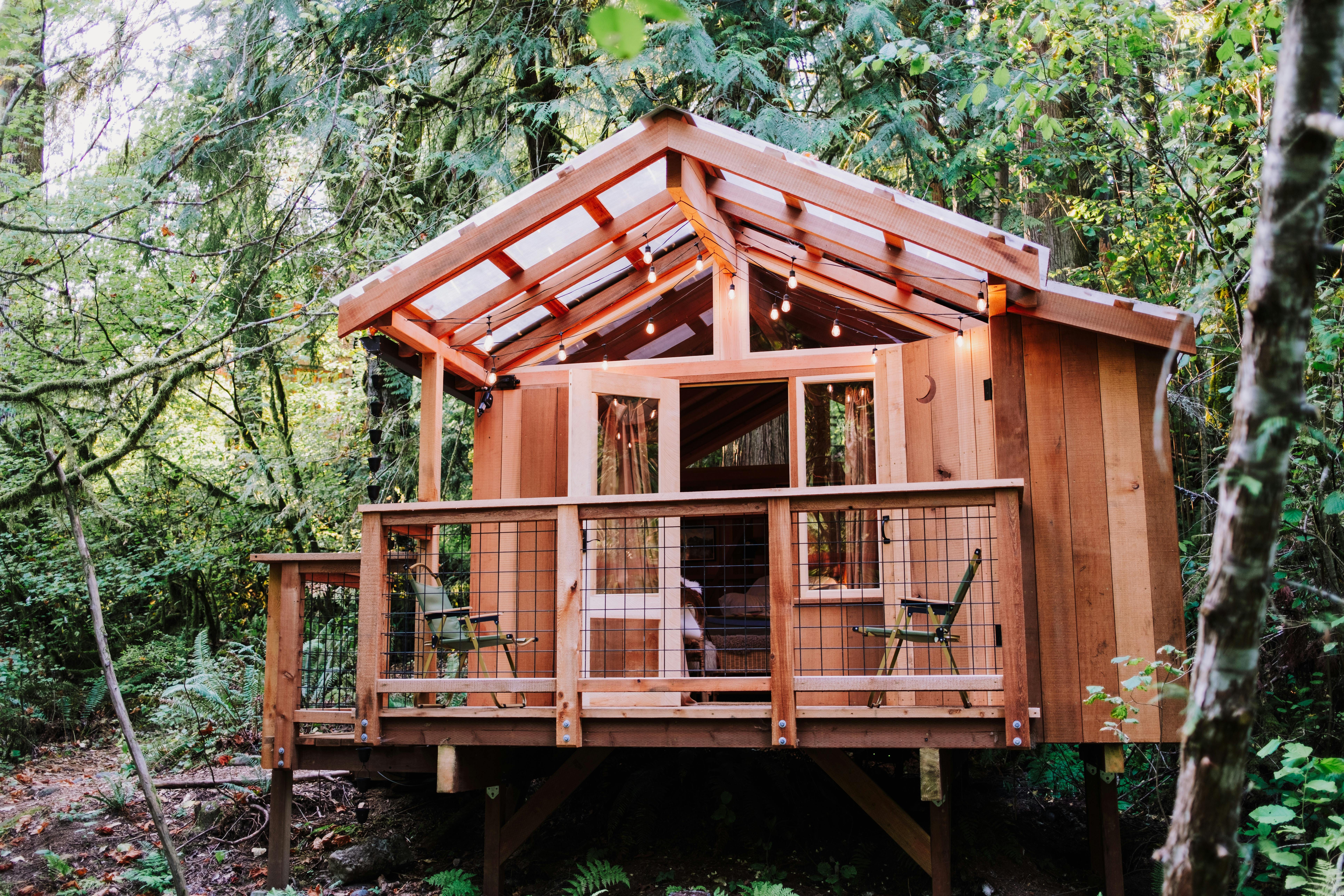
The Human Connection Lens
This experience is built on three interconnected learning dimensions:
Intentional design: Human-made spaces reflect priorities, habits, and values. Design influences not only how people live, but how they think, consume, and interact with the world around them.
Sustainability through everyday systems: Environmental responsibility is shaped through daily decisions involving energy, resources, materials, transportation, and consumption.
Rethinking “enough”: Modern culture often encourages accumulation. This experience invites learners to examine whether fulfillment, creativity, and well-being can also emerge through simplicity and intentional living.
This becomes the deeper architecture of the learning experience.
Learning Alignment
Core Subject Areas: Environmental Science, Engineering & Design, Social Studies, Health, Economics, Social Emotional Learning
Sustainable Development Goals: Goal 11. Sustainable Cities and Communities,
Goal 12. Responsible Consumption and Production, Goal 13. Climate Action
Age Bands
Elementary (8–11): needs vs. wants, homes, environmental awareness
Middle School (12–14): sustainability, lifestyle choices, and systems thinking
High School (15–18): environmental ethics, housing systems, consumption, and intentional living
Skill Development Focus: Critical thinking, systems thinking, sustainability awareness, reflective observation, empathy, and design thinking
Classroom Translation
In classrooms, this experience becomes less about tiny houses themselves and more about what those spaces reveal about human priorities.
Younger students often focus first on creativity and problem-solving. They notice hidden storage, compact furniture, and the challenge of fitting daily life into a smaller environment. Older students tend to move toward broader societal questions around environmental impact, affordability, overconsumption, housing culture, and the relationship between comfort and sustainability.
Across age groups, students begin recognizing that innovation is not always about adding more. Sometimes innovation comes from simplifying, reducing, or redesigning existing systems more thoughtfully. The strongest learning moments often emerge through reflection rather than debate.
Continue the Experience
This week’s Belouga Human Stories experience also includes downloadable educator and student resources designed to help learners explore sustainability, intentional living, environmental responsibility, and human-centered design through observation, reflection, and discussion. These resources are designed to support meaningful classroom conversations while reducing preparation time for educators.
Continue into the full educator guide and student experience pack below