
The Work Behind the Uniform
A look inside the FDNY at the history, people, pressure, and teamwork behind one of New York City’s most demanding careers.

Featured by: Belouga
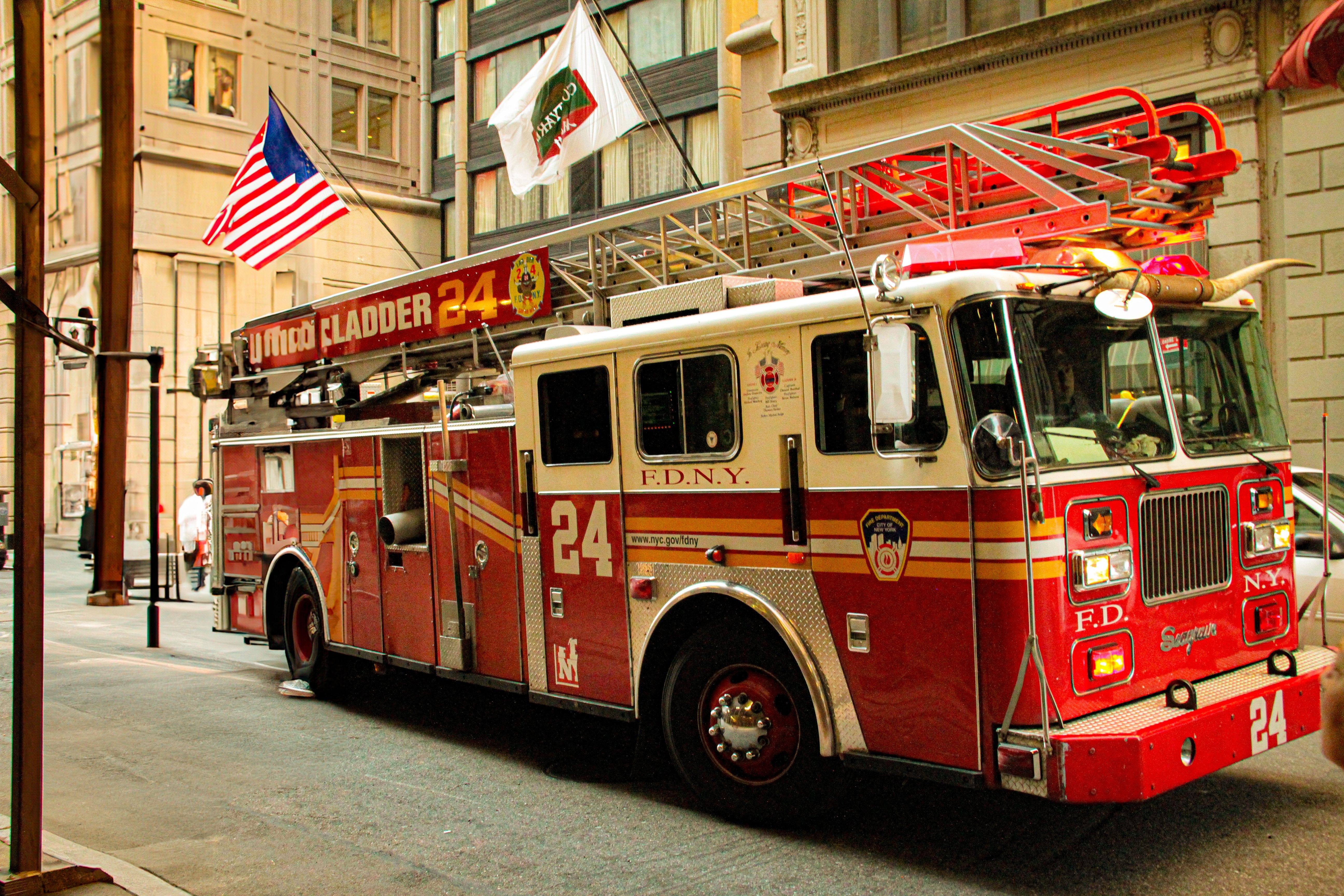
What does it really take to be a firefighter…
We often recognize firefighters by what we see: the helmet, the gear, the trucks, the sirens, and the urgency of a call. But the visible parts of the job tell only a small piece of the story.
What does it actually feel like to spend your days preparing for situations you hope never happen? What does it take to trust the person beside you when the pressure is high? And what happens when a career asks you to be both technically prepared and deeply connected to the people and community you serve?
This Belouga experience takes students inside the New York City Fire Department to look beyond the uniform and discover the people, skills, history, and relationships that make the work possible.
This is where the learning begins.
The Core Experience
Michael Schwartz heads into New York City to spend time with members of the FDNY and experience the world of firefighting from the inside. Students see the preparation that happens before a call, the importance of training, the routines that keep a firehouse functioning, and the relationships that develop among people who rely on one another in difficult circumstances.
The lesson reveals a career that requires far more than physical strength. Firefighters must communicate clearly, assess situations quickly, solve problems under pressure, remain calm when circumstances change, and trust their teammates. There is also a strong sense of community woven through the work. A firehouse is not simply a workplace, but a place where people train together, eat together, learn from one another, and build the trust required to respond as a team. For students, the result is a combination of responsibility, relationships, skills, identity, and service.
Why This Matters Right Now
When students think about careers, they often begin with the question, “What do you want to be?” But meaningful career exploration can begin with a different set of questions:
What kind of problems do you want to solve?
Who do you want to help?
What skills do you want to develop?
What kind of team do you want to be part of?
Firefighting offers a powerful example because the work brings together so many different forms of learning. Science and technology meet physical preparation, communication meets leadership, history meets community service, and individual courage depends on collective trust.
More Than Fighting Fires
A firefighter’s work begins long before an emergency. Training, equipment checks, physical preparation, planning, communication, and teamwork all contribute to being ready when a call comes in. That makes firefighting an especially interesting career lens for students because much of the most important work is invisible.
Being prepared means practicing before the moment arrives. Being dependable means understanding that other people are counting on you. Being effective means knowing when to lead, when to listen, and when to rely on someone else’s expertise. And being part of a community means understanding that the purpose of the work extends beyond the firehouse.
Students can begin to see that many careers operate in the same way, with the skills that matter most often being built quietly, repeatedly, and long before they are needed.
The Human Connection Lens
This experience is built around three interconnected learning dimensions:
Teamwork under pressure: Students explore how trust, communication, and shared responsibility allow people to work effectively when circumstances are unpredictable.
Career as service: Firefighting provides an opportunity to consider what it means to build a career around helping others and contributing to the safety and well-being of a community.
Skills that transfer: Learners recognize that careers are built from capabilities, problem-solving, communication, resilience, leadership, adaptability, and collaboration, that can be developed across many different pathways.
This is the deeper learning architecture behind the experience.
Learning Alignment
Core Subject Areas: Career and Technical Education, Social Studies, History, Health & Physical Education, Language Arts
Sustainable Development Goals: Goal 4. Quality Education, Goal 8. Decent Work and Economic Growth, Goal 11. Sustainable Cities and Communities, Goal 16. Peace, Justice and Strong Institutions
Age Bands
Elementary (8–11): careers, teamwork, community helpers, courage, and service
Middle School (12–14): career exploration, transferable skills, communication, and collaboration
High School (15–18): career pathways, leadership, professional skills, public service, and workplace culture
Skill Development Focus: Collaboration, Communication, Problem-solving, Resilience, Leadership, Decision-making, Perspective-taking, and Career awareness
Classroom Translation
In the classroom, this experience can begin with something students already recognize: the image of a firefighter. From there, invite them to look more closely at what happens before the sirens, what skills are practiced every day, and what makes someone trustworthy in a high-pressure environment.
Younger students may focus on courage, helping others, and the different roles people play in a firehouse. Middle school learners can begin connecting the career to communication, preparation, physical and mental resilience, and teamwork. Older students can explore career pathways, professional expectations, public service, leadership, and the range of skills required to succeed. The larger lesson is that career exploration does not have to begin with choosing a profession, but rather start with discovering how you want to contribute.
Continue the Experience
This week’s Belouga experience also includes downloadable educator and student resources designed to bring career exploration into classrooms through real people, real workplaces, and real stories. These resources help educators move beyond traditional career lists and create opportunities for students to investigate the skills, challenges, relationships, and sense of purpose that shape different pathways.
Continue into the full educator guide and student experience pack below.